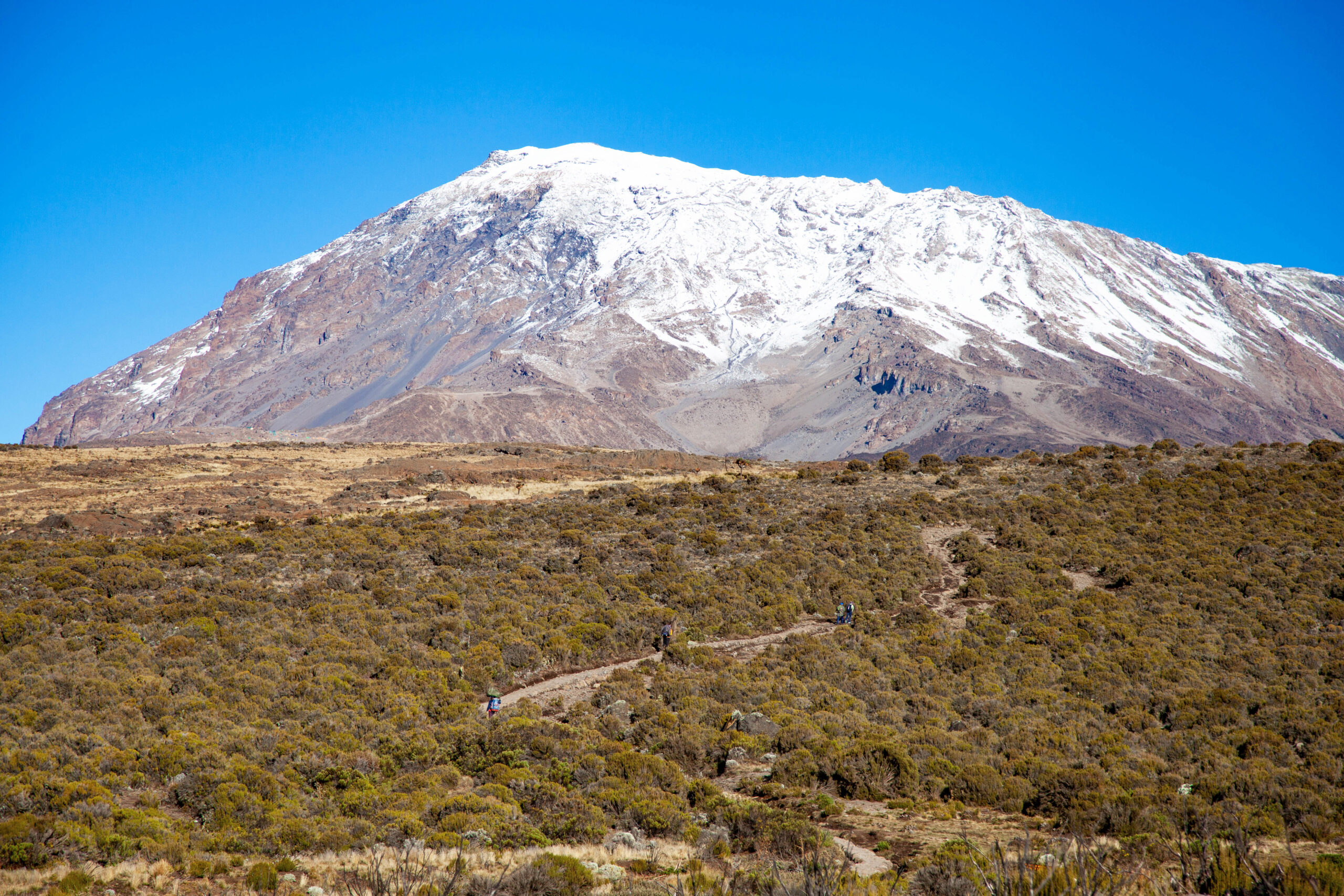
Choosing the right Kilimanjaro route is the most important decision you will make when planning your climb. Mount Kilimanjaro, at 5,895 metres, is the highest mountain in Africa and the tallest free-standing mountain in the world. Every year thousands of trekkers reach Uhuru Peak — and the route they choose has a big effect on their comfort, scenery and chance of success.
In this guide we compare all seven main routes on Kilimanjaro, explain what makes each one different and help you decide which Kilimanjaro route is best for you.
Why Your Kilimanjaro Route Matters
No technical climbing is needed to reach the summit, but the altitude is serious. The main reason climbers turn back is altitude sickness, not fitness. Routes that take more days and follow a “climb high, sleep low” profile give your body more time to acclimatise.
Your choice of Kilimanjaro route also affects:
- Scenery: some routes cross rainforest, moorland, alpine desert and glaciers
- Crowds: some routes are busy, others are quiet
- Accommodation: huts on one route, tents on all others
- Cost: longer routes cost more, but usually have higher success rates
Kilimanjaro National Park is a UNESCO World Heritage Site, managed by Tanzania National Parks.
The 7 Main Kilimanjaro Routes Compared
1. Marangu Route — the hut route
- Days: 5–6
- Difficulty: moderate
- Accommodation: shared huts (Mandara, Horombo and Kibo)
Marangu is the only Kilimanjaro route with sleeping huts, which makes it popular in the rainy season. It uses the same path up and down, so the scenery repeats. The 5-day version has limited acclimatisation, so we recommend the 6-day option. See our Marangu 6-Day trek.
2. Machame Route — the “Whiskey” route
- Days: 6–7
- Difficulty: challenging
- Accommodation: tents
Machame is the most popular Kilimanjaro route. It offers spectacular scenery, from rainforest to the Barranco Wall, and a good acclimatisation profile, especially on the 7-day version. It can be busy in peak season. See our Machame 7-Day trek.
3. Lemosho Route — the scenic favourite
- Days: 7–8
- Difficulty: moderate to challenging
- Accommodation: tents
Lemosho starts in the quiet west, crosses the beautiful Shira Plateau and joins the Machame trail. With excellent acclimatisation and fewer crowds at the start, many guides consider it the best all-round Kilimanjaro route. See our Lemosho 8-Day trek.
4. Rongai Route — from the north
- Days: 6–7
- Difficulty: moderate
- Accommodation: tents
Rongai approaches from the drier northern side near the Kenyan border, making it a good choice in the rainy season. It is quieter and gentler but has less dramatic scenery. See our Rongai 7-Day trek.
5. Northern Circuit — the longest route
- Days: 9–10
- Difficulty: moderate
- Accommodation: tents
The Northern Circuit is the longest Kilimanjaro route, circling the mountain’s quiet northern slopes. The extra days give the best acclimatisation and very high success rates. See our Northern Circuit 9-Day trek.
6. Umbwe Route — steep and direct
- Days: 5–6
- Difficulty: very challenging
- Accommodation: tents
Umbwe is the steepest and most direct Kilimanjaro route. It is quiet but gains altitude quickly, so it suits experienced trekkers who already acclimatise well.
7. Shira Route — high start
- Days: 7
- Difficulty: moderate to challenging
- Accommodation: tents
Shira is similar to Lemosho but starts at a higher altitude by vehicle, which gives less time to adjust at the beginning. Most operators now recommend Lemosho instead.

Which Kilimanjaro Route Is Best for You?
Here is a quick way to choose:
- Best overall: Lemosho (7–8 days)
- Best for first-timers on a budget: Machame (7 days)
- Best for hut accommodation: Marangu (6 days)
- Best in the rainy season: Rongai or Marangu
- Best success rate and fewer crowds: Northern Circuit (9 days)
- Best for experienced, fast climbers: Umbwe
Whatever you choose, add an extra day if you can. More time on the mountain almost always means a better chance of reaching the top.
Kilimanjaro Route Comparison at a Glance
- Marangu: 5–6 days, huts, moderate, busy, lower scenery variety
- Machame: 6–7 days, tents, challenging, busy, excellent scenery
- Lemosho: 7–8 days, tents, moderate–challenging, quiet start, excellent scenery
- Rongai: 6–7 days, tents, moderate, quiet, good in rainy season
- Northern Circuit: 9–10 days, tents, moderate, very quiet, best acclimatisation
- Umbwe: 5–6 days, tents, very challenging, quiet, steep
- Shira: 7 days, tents, moderate–challenging, high starting point
What to Expect on Summit Night
Whichever Kilimanjaro route you choose, summit night is the hardest part. Most climbers start between 11 pm and 1 am from high camp (Barafu, Kibo or School Hut, depending on the route). You climb slowly in the dark and cold, often below freezing, reaching Stella Point or Gilman’s Point on the crater rim around sunrise. From there it is roughly one more hour along the rim to Uhuru Peak.
The reward is extraordinary: glaciers glowing in the first light, the shadow of the mountain stretching across the plains and the feeling of standing on the roof of Africa. After photos at the summit sign, you descend to a lower camp for a well-earned rest.
Altitude Sickness: What You Need to Know
Acute mountain sickness can affect anyone, regardless of fitness. Common early symptoms include headache, nausea, loss of appetite, dizziness and trouble sleeping. Tell your guide immediately if you feel unwell. Guides monitor climbers daily, often using a pulse oximeter, and will decide whether you should rest, slow down or descend. Descending is the most effective treatment for serious symptoms. Talk to your doctor before the trip about your health and any medication for altitude.
Your Mountain Crew and Tipping
On every Kilimanjaro route you will be supported by a team of guides, porters and a cook. Porters carry tents, food and equipment, so you only carry a daypack. Reputable operators follow fair porter treatment standards, with proper wages, food, shelter and load limits. Tipping at the end of the climb is customary and forms an important part of the crew’s income. Our tipping guide explains typical amounts.
Best Time to Climb Kilimanjaro
Kilimanjaro can be climbed all year, but the best months are:
- January to early March: warmer, clearer days and fewer crowds
- June to October: dry and popular, with cold nights at high camp
April, May and November are the rainiest months. During these times, the Marangu and Rongai routes are the most comfortable choices.
How to Prepare for Your Climb
- Train: hike regularly with a daypack for at least 8–12 weeks before the trip
- Walk slowly: your guide will say “pole pole” — slowly, slowly — and it matters
- Drink plenty of water: 3–4 litres a day helps you acclimatise
- Pack the right gear: warm layers, a good sleeping bag and waterproof boots
- Get insurance: make sure it covers trekking up to 6,000 metres
Combine Kilimanjaro With a Safari
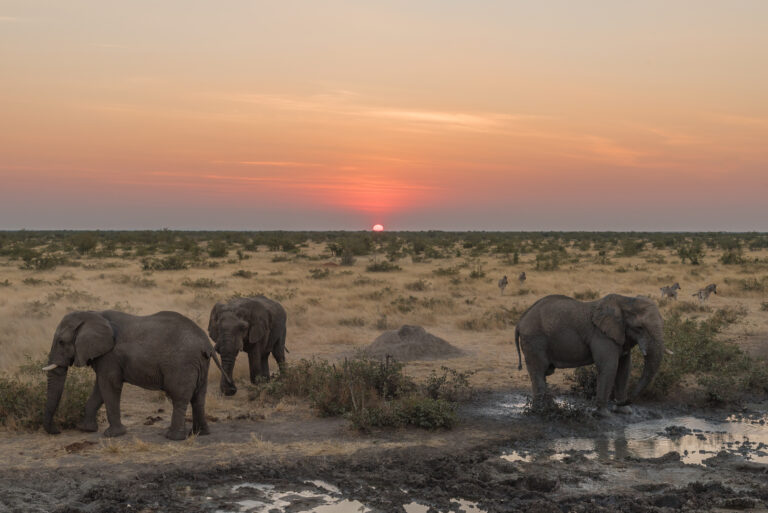
After the climb, many trekkers relax on safari or the beach. Popular combinations include a 3-day safari to Tarangire and the Ngorongoro Crater, or a Zanzibar beach extension. If you want a taste of the mountain without the full climb, try our safari with a Kilimanjaro day hike. Also see our Mount Kilimanjaro destination page.
What Is Included in a Kilimanjaro Climb?
A good climbing package normally includes park and rescue fees, professional mountain guides, porters and a cook, all meals on the mountain, tents and camping equipment (or hut fees on Marangu), drinking water and transfers to and from the gate. Hotel nights in Moshi or Arusha before and after the climb are often included too. Personal gear, tips and travel insurance are usually extra. Always compare what each quote includes, because a cheaper price can hide poor equipment or unfair treatment of porters. Whichever Kilimanjaro route you choose, a well-supported team makes the climb safer and far more enjoyable.
Climbing Kilimanjaro Responsibly
Kilimanjaro is a fragile environment. Stay on marked paths, carry out all your litter and use the toilet facilities at camps. Choose an operator that treats porters fairly and follows park rules. Small choices by every climber help keep the mountain beautiful for future generations, whichever route they take to the summit.
Frequently Asked Questions
Which Kilimanjaro route has the highest success rate?
Longer routes such as the Northern Circuit and the 8-day Lemosho have the highest success rates, because they allow more time to acclimatise.
What is the easiest Kilimanjaro route?
No route is truly easy because of the altitude. Marangu and Rongai have gentler gradients, but a longer Lemosho or Northern Circuit climb is often easier on the body overall.
How much does it cost to climb Kilimanjaro?
Costs depend on the route, number of days and group size. Park fees make up a large part of the price, so longer routes cost more. Contact us for a clear quote.
Choose Your Kilimanjaro Route With Confidence
The right Kilimanjaro route matches your fitness, your time and the season. Take your time, trust your guide and enjoy every step from the rainforest to the roof of Africa. Contact our team in Arusha and we will help you choose the best Kilimanjaro route for your climb.