Seeing the Big Five in Tanzania is the dream of countless safari travellers. The term “Big Five” was first used by hunters to describe the five African animals that were the most dangerous to hunt on foot: lion, leopard, elephant, buffalo and rhino. Today the only shooting is with cameras, and finding all five is one of the great challenges and joys of a safari.
Tanzania is one of the best countries in Africa to see them all. In this guide we explain where to find each of the Big Five in Tanzania, the best parks and seasons, and how to plan a route that gives you the best chance.
What Are the Big Five?
- African lion — the king of the savannah, living in social prides
- African leopard — the most elusive, a solitary and secretive cat
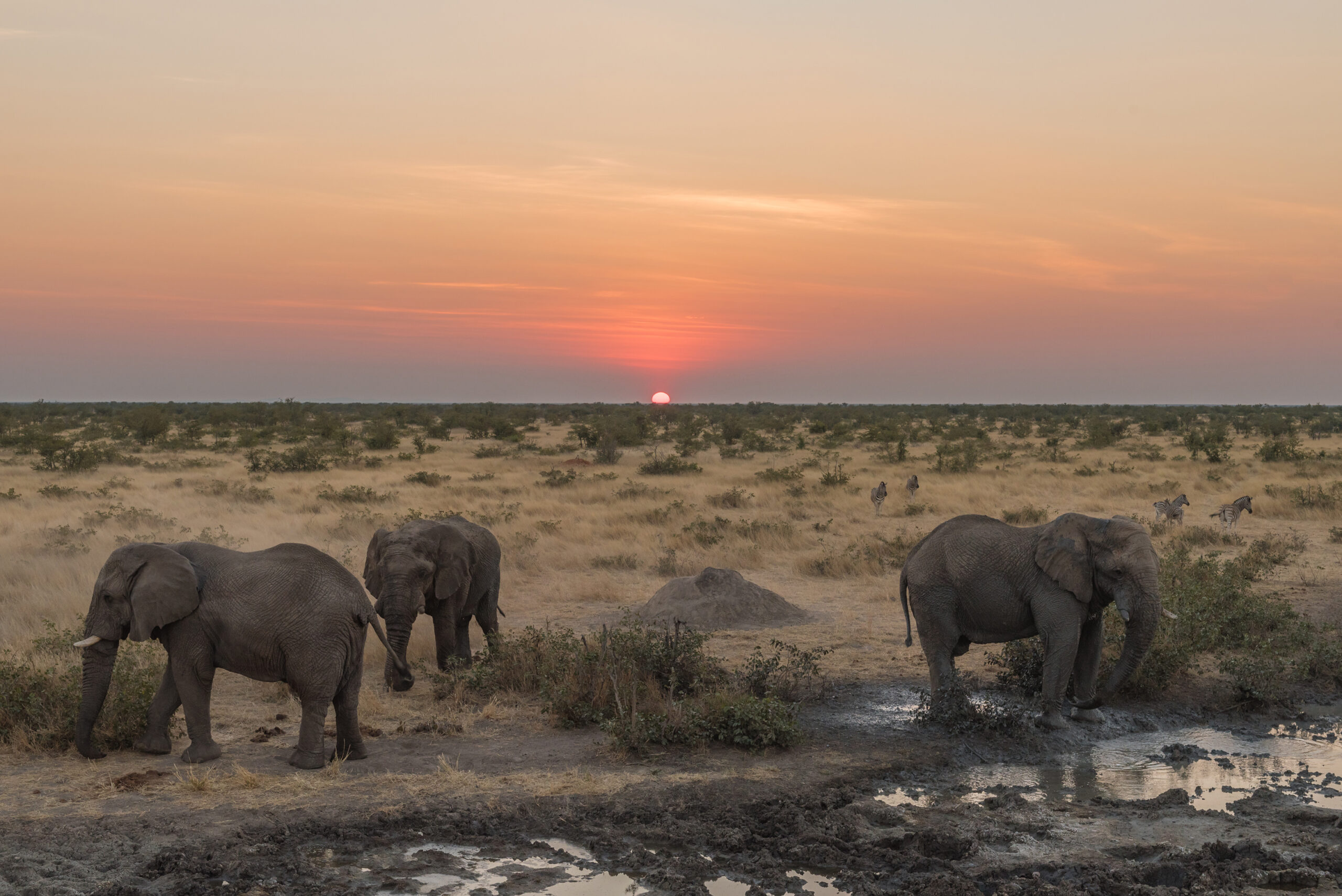
- African elephant — the largest land animal on Earth
- African (Cape) buffalo — powerful, unpredictable and often seen in large herds
- Rhinoceros — in northern Tanzania, mainly the critically endangered black rhino
Four of the five are fairly common in the northern parks. The rhino is the hardest, which is why your route matters so much.
Best Places to See the Big Five in Tanzania
1. Ngorongoro Crater — the best single place
The Ngorongoro Crater is the top location for the Big Five in Tanzania. The crater floor is a natural enclosure of about 260 square kilometres with permanent water and grassland, supporting lions, elephants, buffalo and one of the last accessible populations of black rhino in the region. Leopards live in the forest on the crater walls and are seen less often. The crater is a UNESCO World Heritage Site.
2. Serengeti National Park — lions and leopards
The Serengeti is unbeatable for lions and one of the best places in Africa for leopards, especially around the Seronera River. Elephants and buffalo are common too. Black rhinos exist in small numbers around the Moru Kopjes but are rarely seen. Read our guide to the Serengeti big cats.
3. Tarangire National Park — elephants
Tarangire is famous for some of the largest elephant concentrations in Tanzania, especially in the dry season when herds gather along the Tarangire River. Lions, leopards and buffalo are also present.
4. Lake Manyara National Park — elephants, buffalo and tree lions
Lake Manyara offers elephants in the forest, buffalo on the floodplains and the chance of tree-climbing lions. It has no rhinos. See our Lake Manyara guide.
5. Southern Tanzania — for adventurers
Nyerere National Park (formerly part of the Selous) and Ruaha offer wild, remote safaris with big lion prides, elephants and buffalo. Rhinos are very rare here, so the north remains the best choice for the full Big Five in Tanzania.
How to Find Each of the Big Five in Tanzania
Lion
Lions are seen on most northern-circuit safaris. The Serengeti, Ngorongoro Crater and Tarangire all have healthy prides. Look for them resting in the shade or on rocky kopjes during the heat of the day.
Leopard
Leopards need patience. Ask your guide to search the sausage trees and acacias along the Seronera River in the central Serengeti. Early morning and late afternoon give the best chance.
Elephant
Elephants are easy to find in Tarangire, Lake Manyara, the Serengeti and the Ngorongoro Crater, where some of the oldest bulls with huge tusks live on the crater floor.
Buffalo
Buffalo are common almost everywhere. Large herds graze on the Ngorongoro crater floor and across the Serengeti. Old bulls, known as “dagga boys”, often rest in muddy wallows.
Rhino
The black rhino is the rarest of the Big Five in Tanzania. The Ngorongoro Crater is by far your best chance. Bring binoculars — rhinos are often seen at a distance, grazing in the open grassland.

Best Time to See the Big Five in Tanzania
The Big Five in Tanzania can be seen all year, but conditions change:
- June–October (dry season): thin vegetation and animals gathering at water make viewing easier. Tarangire is at its best for elephants.
- November–March: green landscapes, newborn animals and calving on the southern plains, which attracts predators.
- April–May (long rains): fewer visitors and lower prices; the Ngorongoro Crater remains excellent year-round.
Check our month-by-month guide for more detail.
How Many Days Do You Need?
To have a strong chance of seeing all of the Big Five in Tanzania, plan at least four to five days on the northern circuit. A good route includes Tarangire for elephants, two days in the Serengeti for lions and leopards, and a full day in the Ngorongoro Crater for rhino. Shorter 3-day trips can still show you four of the five and give a real chance of rhino in the crater.
Sample Big Five Safari Route
- Day 1: Arusha to Tarangire — elephants, lions and buffalo
- Day 2: Tarangire to the central Serengeti — afternoon game drive
- Day 3: Full day in the Serengeti — search for leopard and big cats
- Day 4: Serengeti to Ngorongoro — game drive en route
- Day 5: Ngorongoro Crater descent — black rhino, then return to Arusha
Similar ready-made trips include the 5-Day Tarangire, Serengeti & Ngorongoro Lodge Safari and the budget-friendly 3-Day Budget Big Five Safari. Learn more on our Big Five safari experience page.
Tips for Spotting the Big Five in Tanzania
- Bring good binoculars for every person in the vehicle
- Start early — many sightings happen in the first two hours of daylight
- Choose full-day game drives with a picnic lunch
- Travel with an experienced guide who talks with other guides by radio
- Be patient and enjoy every animal, not only the famous five
Photographing the Big Five in Tanzania
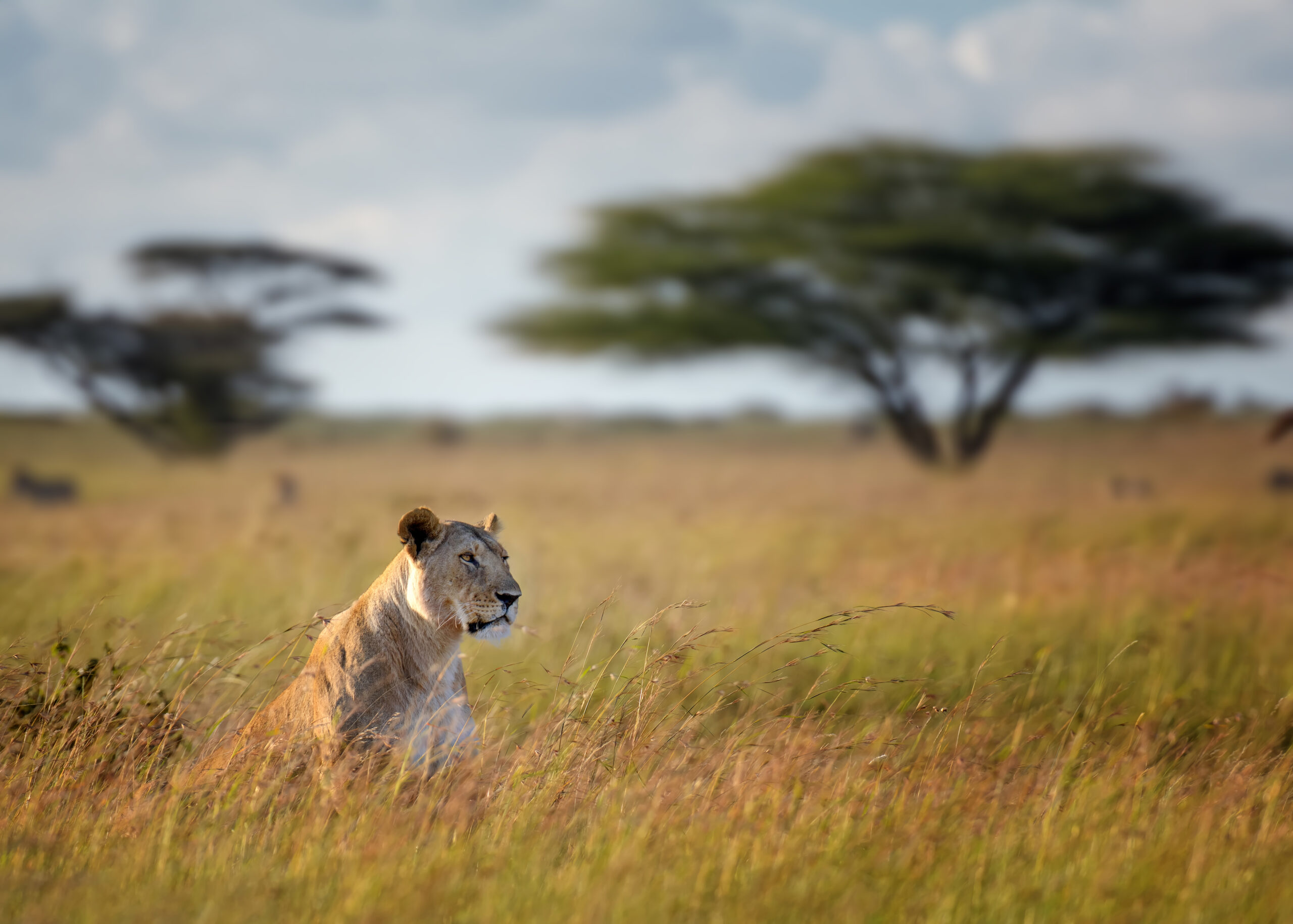
Every member of the Big Five needs a slightly different approach behind the camera. For lions, wait for moments of interaction — cubs playing, a yawn, a pride walking together at dawn. For leopards in trees, expose for the bright sky and use spot metering on the cat. Elephants look powerful from a low angle, so shoot from the vehicle window rather than the roof. Buffalo stare straight at you, which makes for dramatic portraits. Rhinos in the Ngorongoro Crater are often far away, so a long lens of 400 mm or more makes a real difference.
Light is everything. The first and last two hours of the day give warm colours and soft shadows. At midday, focus on behaviour and close details instead of landscapes. Read our safari photography tips for more ideas.
What to Pack for a Big Five Safari
- Binoculars (8×42 or 10×42 are ideal)
- A camera with a zoom lens and spare batteries
- Neutral-coloured clothing in layers — mornings are cool, afternoons warm
- A warm jacket for the Ngorongoro Crater rim, which is cold at night
- Sunscreen, sunglasses and a wide-brimmed hat
- A dust cover or scarf for your camera and face
Our full packing list covers everything else.
Private or Group Safari for the Big Five?
A private safari gives you full control. If you want to wait an hour for a leopard to come down from a tree, you can. On a group safari, the vehicle follows a shared plan, which is great value but less flexible. For travellers set on finding all of the Big Five in Tanzania, a private vehicle and an extra day are the two best investments. Read our comparison of private and group safaris.
Beyond the Big Five
The Big Five are famous, but many guests end up loving other animals even more. Look out for cheetahs, giraffes, zebras, hippos, hyenas, wild dogs and hundreds of bird species. Some guides also talk about the “Little Five”: the elephant shrew, ant lion, leopard tortoise, buffalo weaver and rhino beetle. See our list of the top animals to see in Tanzania.
Conservation and the Big Five
Rhinos and elephants are still threatened by poaching and habitat loss. Park fees in Tanzania help fund anti-poaching patrols, rangers and research. By choosing a licensed operator and visiting protected areas, you directly support the survival of the Big Five in Tanzania. Learn more from the Tanzania National Parks authority.
Common Mistakes When Hunting for the Big Five
Many travellers miss out simply because of planning mistakes. The biggest one is skipping the Ngorongoro Crater to save a day — without it, your chance of seeing a rhino drops sharply. Another is spending only one night in the Serengeti, which leaves little time to search for leopards. Some guests also focus so hard on ticking boxes that they rush past wonderful sightings of giraffes, cheetahs or elephants at play. Build in time, trust your guide and let the safari unfold naturally.
Frequently Asked Questions
Can you see the Big Five in one day in Tanzania?
It is possible in the Ngorongoro Crater, where all five live, but leopard sightings there are rare. A multi-day safari gives a much better chance.
Which park is best for the Big Five in Tanzania?
The Ngorongoro Crater is the single best place, especially for black rhino. Combine it with the Serengeti for leopards.
Is it guaranteed to see all Big Five?
No wildlife sighting is guaranteed, but on a well-planned 5-day northern-circuit safari, many guests see all five.
Start Your Big Five Adventure
The Big Five in Tanzania are waiting across some of Africa’s most famous parks. With the right route, enough time and an experienced guide, your chances are excellent. Contact our Arusha team and we will plan a safari designed to find them all.